Restore Your Appliances: Expert Repair Services for a Worry-Free Home
In any household, appliances serve a crucial function in daily routines. When they malfunction, the ensuing disruption can be inconvenient and frustrating. Skilled repair services can revitalize these critical machines, guaranteeing they function effectively once again. Understanding when to obtain professional help and what the repair process involves can greatly impact both the longevity of appliances and household harmony. Investigating these factors can provide beneficial insights for maintaining a smooth home environment.
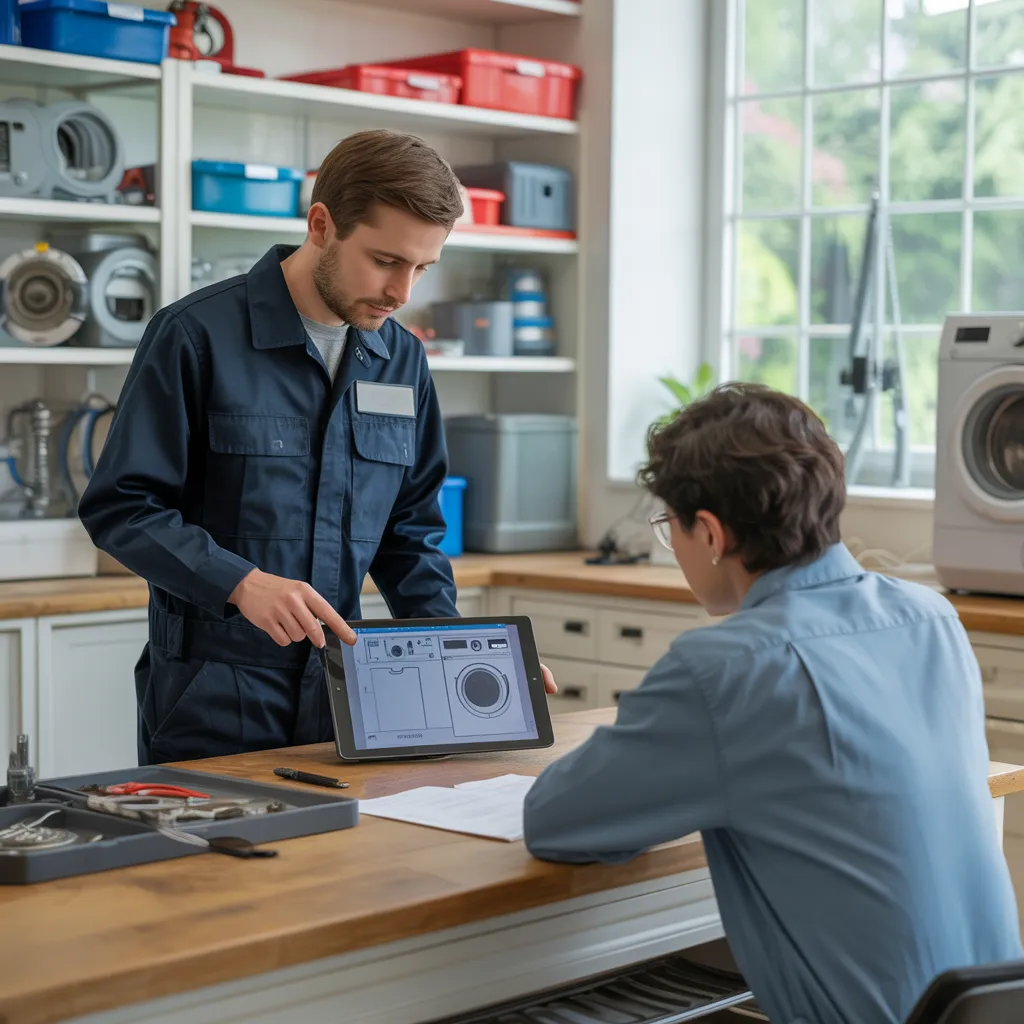
Common Household Appliances Prone to Breaking Down
Domestic appliances fulfill a crucial purpose in day-to-day activities, however numerous ones are susceptible to breakdowns. Among the typical troublemakers are refrigerators, which can face issues like inconsistent temperatures or inadequate cooling. Clothes washers likewise experience frequent failures, often due to troubles with the drum, motor, or drainage system. Dishwashers, while convenient, may face failures such as water seepage or blocked strainers, leading to poor washing performance. Ovens and stoves can also be troublesome; problems with heating elements or ignition systems are quite typical. Microwaves, while frequently overlooked, can experience defective door locks or broken control panels. Finally, HVAC systems, vital for maintaining comfortable living environments, may break down due to worn-out components or refrigerant leaks. Every one of these machines, essential to contemporary life, highlights the significance of regular upkeep and restoration to maintain ongoing functionality and efficiency.
Indications That Your Appliance Needs Expert Repair Work
Recognizing the signals that an appliance requires specialist repair can stop further complications. Abnormal noises and the presence of warning lights are important signals of underlying problems. Addressing these signals swiftly can protect time and money in the long run.
Unfamiliar Sounds Indicate Concerns
When appliances begin to emit unusual noises, it often signifies internal malfunctions that require immediate attention. These sounds can include everything from grinding and rattling to buzzing and hissing, each pointing to specific issues. For example, a washing machine that produces a loud thumping noise may signal an unbalanced load or worn-out bearings. Likewise, a refrigerator that hums excessively might be struggling with a material failing compressor. Ignoring these sounds can cause more substantial harm and costly repairs down the line. Consequently, it is essential for homeowners to recognize these auditory warnings and seek expert repair services. Addressing the source of unusual noises promptly not only increases the appliance's lifespan but also ensures optimal functionality in the home.
Caution Lights Are Displayed
Unusual noises are not the only indicators that an appliance may be malfunctioning; warning lights can also signal the need for expert repair. When an appliance displays a warning light, it typically indicates an issue that requires immediate attention. For instance, a blinking light on a washing machine may suggest an imbalance, while a refrigerator's temperature warning light can point to cooling problems. Ignoring these signals can lead to further damage and costly repairs. Homeowners should pay close attention to their appliances' warning lights, as they serve as vital alerts for potential failures. Seeking expert repair services promptly can guarantee the appliance is restored to peak functioning, ultimately preventing inconvenience and additional expenses.
Why Hire Professional Appliance Repair Technicians?
Hiring professional appliance repair technicians can significantly enhance the effectiveness and longevity of household appliances. These experts have specialized knowledge and experience, enabling them to accurately diagnose issues that may be difficult for homeowners to identify. They are equipped with the right tools and replacement parts, ensuring repairs are conducted effectively and successfully.
Additionally, professional technicians stay updated on the latest technological advances and trends in appliance repair, which can be vital for modern equipment. By handing over repairs to skilled professionals, homeowners can steer clear of the risks connected with DIY attempts, such as further damage or safety hazards.
Furthermore, bringing in specialists can conserve time and reduce stress, as they can promptly solve issues and offer beneficial maintenance guidance. Ultimately, enlisting the assistance of professional appliance repair technicians not only restores functionality but also enhances the overall comfort of the home environment.
Finding the Best Repair Service for Your Appliance Problems
Discovering the right repair service for appliance needs can greatly impact the quality of repairs. Consumers should emphasize researching local repair services, as proximity can impact response times and convenience. Online reviews and testimonials supply perspective into customer satisfaction and service quality, enabling individuals to make educated decisions. It is also crucial to verify the credentials and experience of technicians, confirming they are qualified to handle specific appliance brands and models.
Moreover, acquiring multiple quotes can aid in comparing prices and services, maintaining transparency in costs. A credible service should include warranties on both parts and labor, demonstrating confidence in their work. Communication is another key factor; a reliable repair service should provide transparent explanations of issues and possible solutions. All in all, taking the time to identify a reputable repair service can result in more efficient repairs and a improved overall experience for homeowners.
What Transpires During the Repair Process?
During the repair process, technicians commence with an initial diagnosis to determine the appliance's issues. Subsequently, essential parts are replaced to restore functionality. Finally, a testing phase verifies that the appliance works correctly before it is returned to the owner.
Initial Evaluation Procedure
A thorough initial diagnosis is crucial for effective appliance repair, as it lays the groundwork for identifying issues accurately. During this procedure, a qualified technician will evaluate the appliance to gather relevant information about its functionality and any symptoms reported by the homeowner. This involves a visual inspection, checking for unusual acoustics, smells, or leaks, and testing various operational functions. Technicians may leverage specialized diagnostic tools to identify malfunctions and may also consult the appliance's manual for troubleshooting guidelines. This systematic approach aids in understanding the underlying problems and enables the technician to develop a clear repair strategy. Ultimately, an accurate diagnosis not only simplifies the repair process but also helps avoid future issues, ensuring optimal appliance performance.
Component Exchange Process
Following confirmation of the diagnosis, the technician commences the parts replacement process by collecting the necessary components for the repair. This includes verifying that all parts are compatible with the specific appliance model. Once the components are gathered, the technician cautiously disassembles the appliance, taking care to document the sequence of removal for reassembly. Each part is inspected for wear or damage, and the faulty components are replaced systematically. The technician follows safety protocols throughout, disconnecting power sources and using appropriate tools. After installation, the technician ensures all connections are secure and that the new parts are functioning properly. This meticulous approach helps to restore the appliance's performance, guaranteeing reliability and longevity.
Final Testing Stage
Once the parts replacement task is completed, the focus moves to the final testing phase. During this crucial phase, technicians turn on the appliance to ensure that it functions as intended. They observe its functionality carefully, checking for any abnormal noises or malfunctions. Key tests may include verifying temperature settings in refrigerators or conducting cycles in washing machines. Technicians also inspect the proper integration of new components, confirming they interact seamlessly with existing parts. If any concerns arise, further adjustments or troubleshooting are performed. This comprehensive assessment assures that the appliance is safe, efficient, and ready for use. Finishing the final testing stage allows customers to have peace of mind, knowing their appliances have been skillfully repaired and are in perfect working condition.
Repair Costs: Is It Worth It?
How can you decide if appliance repair expenses are worthwhile? Evaluating repair expenses requires considering multiple important elements. Initially, consider how old the appliance is; as a rule, if it has surpassed half its projected lifespan, replacing it could be more economical. Next, the repair estimate must be weighed against the price of a new appliance, as a rule of thumb suggests that repairs costing more than 50% of the replacement price may not be worth it. Also, factor in the history of prior repairs; appliances demanding repeated servicing in a short span usually suggest replacement is warranted. Ultimately, examining the device's energy efficiency may generate long-term savings that offset repair expenditures. To conclude, a careful analysis of age, repair frequency, and cost comparison is essential in deciding whether repairing an appliance is financially prudent.
How to Maintain Your Appliances to Avoid Breakdowns
Appliance repairs often result in substantial expenses, making maintenance a proactive approach to avoid breakdowns. Routine maintenance of appliances both extends their longevity and improves performance. Straightforward procedures, including cleaning refrigerator coils and maintaining proper dryer ventilation, help avoid overheating issues and equipment breakdowns.
Home residents need to examine and swap out filters in cooling systems and dishwashers to maintain maximum effectiveness. Additionally, reviewing hoses and connections for leaks can avoid water damage and pricey restorations.
Planning annual professional maintenance can reveal potential issues before they escalate, allowing for timely interventions. Moreover, following manufacturer guidelines for use and care helps confirm appliances operate smoothly.
FAQ
What Is the Typical Duration of Appliance Repairs?
Appliance repairs typically take between one hour to several hours, based on the complexity of the problem. Minor problems may be completed promptly, while more complex issues could require additional time for parts and labor adjustments.
Can I Fix My Appliance by Myself Rather Than Using a Professional Service?
Yes, individuals can repair appliances themselves if they possess the necessary skills and tools. Nevertheless, lacking adequate knowledge, trying repairs could result in additional damage or safety risks, making professional assistance a more secure choice.
What Types of Warranties Are Provided by Appliance Repair Services?
Appliance repair companies generally provide warranties that encompass both parts and labor for a particular timeframe, typically spanning from one month to 12 months. These warranties guarantee customer satisfaction and safeguard against future issues resulting from the repair.
Are Replacement Parts Covered in the Repair Price?
Components are usually not covered in the repair fee. Repair companies generally list parts as an additional cost, with costs depending on the device model and necessary parts, confirming customers comprehend all charges in advance.
How Can Future Appliance Breakdowns Be Prevented?
Consistent upkeep, encompassing cleaning, appropriate use, and regular inspections, substantially decreases the likelihood of future appliance failures. Moreover, adhering to manufacturer instructions and promptly addressing minor issues can extend the service life of household appliances substantially.