Skilled Appliance & Refrigeration Repair: Maintain Your Household's Smooth Operation
Maintaining a well-operating home environment is dependent upon expert refrigeration and appliance repair services. When appliances show signs of malfunction, prompt intervention by qualified technicians becomes essential. These professionals not only diagnose issues but also offer personalized solutions that can prolong the lifespan of your devices. Understanding the significance of these services raises questions about how to detect problems and select the right technician for your needs.
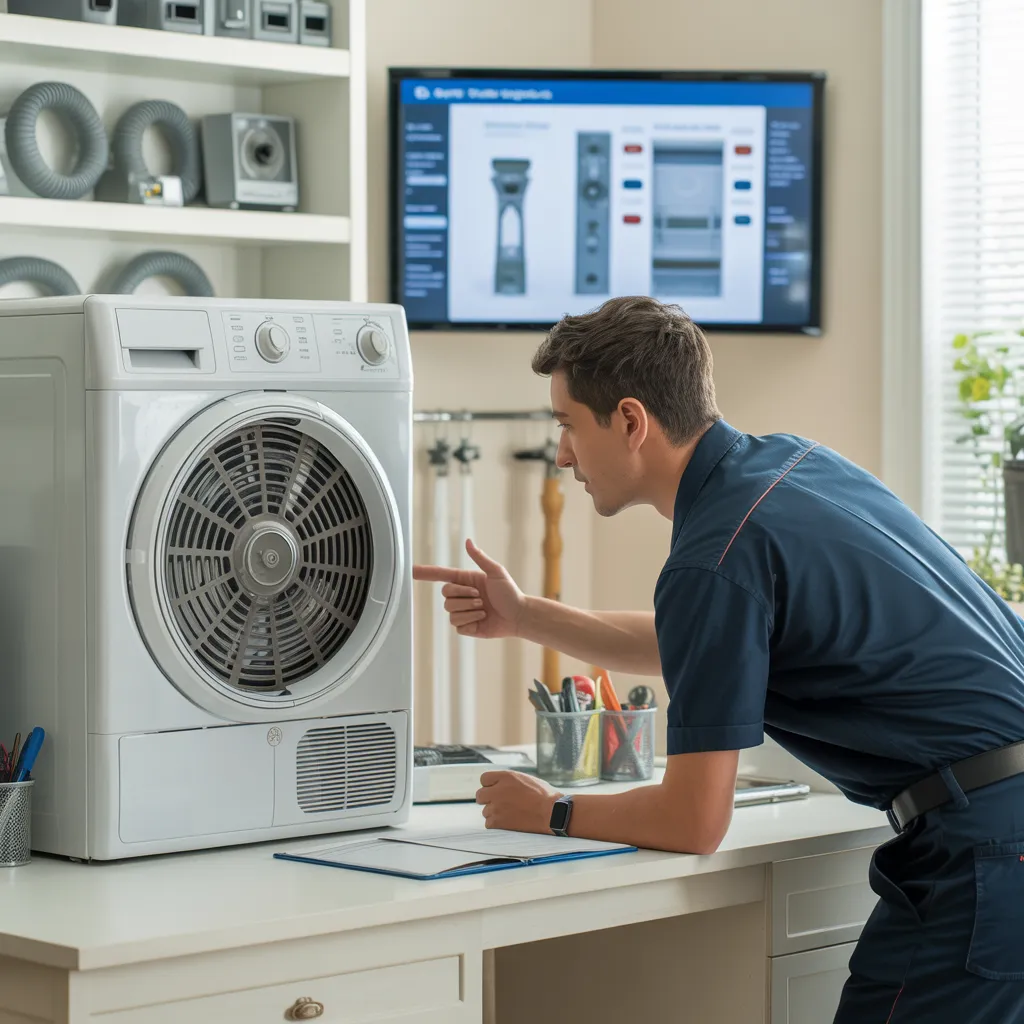
Identifying When Your Appliances Need Professional Repair
How does one identify when an appliance needs fixing? Multiple indicators may suggest that an appliance demands repair. Strange sounds, for example grinding or rattling, could signal mechanical malfunctions. If an appliance cannot carry out its primary function—for example a refrigerator not cooling or a dishwasher not cleaning—this is often a clear warning. Additionally, rising energy bills may indicate inefficiency, demonstrating that something is wrong.
Physical signs, like leaks or rust, shouldn't be ignored. Appliances that give off peculiar scents or possess a burnt smell may be operating improperly and might create safety hazards. In addition, frequent cycling on and off can point to electrical problems. Watching for these warning signs can assist homeowners recognize when professional assessment and repair are required, ultimately ensuring the pertinent information efficiency and longevity of their appliances. Detecting these symptoms promptly can prevent additional damage and lower repair costs.
Advantages of Expert Appliance Repair Solutions
Skilled appliance repair services deliver specialized diagnosis and personalized solutions, guaranteeing that problems are addressed effectively. Through the use of these services, individuals can save both time and money, avoiding the pitfalls of DIY repairs. This approach not only enhances appliance longevity but also minimizes the risk of further complications.
Expert Assessment And Solutions
Trained technicians in appliance repair provide invaluable expertise to homeowners facing malfunctioning equipment. These professionals possess comprehensive expertise of different brands and models, permitting them to accurately diagnose issues that may escape the average homeowner. Their specialized knowledge assures that problems are not just superficially repaired but properly addressed, reducing the risk of recurring failures. Additionally, technicians utilize advanced diagnostic tools that pinpoint the root cause of malfunctions, resulting in effective and lasting solutions. This approach not only boosts the appliance's performance but also prolongs its lifespan. By relying on expert diagnosis, homeowners can avoid the frustration of trial-and-error fixes, guaranteeing their appliances function at peak efficiency and preserve a smoothly running household environment.
Time-Cost Efficiency
Whereas many homeowners may consider tackling appliance repairs on their own to cut money, hiring professional services frequently proves to be a more effective choice. Professional repair technicians have specialized training and experience, enabling them to diagnose issues quickly and accurately. This not only minimizes the time spent on repairs but also minimizes the risk of additional damage caused by improper handling. Additionally, professionals usually have access to numerous tools and replacement parts, accelerating the repair process. With regard to cost, although the initial expense may look higher, the long-term savings from avoiding multiple repairs and potential appliance replacements can outweigh the upfront investment. Overall, professional appliance repair services offer significant time and cost efficiency for homeowners.
Selecting Your Appliance Repair Specialist
How can one assure they select the right appliance repair technician? The decision-making process commences with detailed research. Interested parties should find professionals with suitable certifications and an established reputation locally. Past client reviews and testimonials deliver information about the technician's credibility and competence. Moreover, checking the expert's background with certain brands can be vital, as different appliances may require specialized knowledge.
Another key element is acquiring multiple quotes to review service costs and guarantee fair pricing. It is also wise to inquire about warranties or guarantees on repairs, which indicate the technician's confidence in their work. A professional should be licensed and insured, ensuring peace of mind in case of accidents during the repair process. Ultimately, selecting the right technician requires careful consideration of qualifications, customer feedback, and transparency about pricing and services. This diligence can bring about a positive repair experience and increased appliance lifespan.
DIY Troubleshooting Tips for Everyday Appliance Issues
Which troubleshooting steps can help resolve common appliance issues before hiring a repair specialist? Initially, it's essential to examine the power supply. Ensuring the appliance is connected to power and that no circuit breakers have been tripped can address many problems. Subsequently, for appliances like refrigerators, examining the temperature settings is necessary; a simple adjustment can correct cooling concerns.
An additional step entails checking the appliance for apparent obstructions or debris that might affect performance, such as clogged filters in dishwashers or vacuum cleaners. For washing machines, examining for imbalanced loads or bent hoses can forestall complications.
Moreover, reviewing the appliance's manual can supply specific troubleshooting recommendations specific to the model. If these initial steps don't work, it may suggest a more significant problem, calling for professional assistance. By carrying out these basic checks, homeowners can often detect and fix minor issues effectively.
Upkeep Recommendations to Increase Your Appliances' Longevity
Once common appliance problems have been addressed, homeowners can implement preventive measures to maintain their appliances and increase their longevity. Regular cleaning is vital; dust and debris can accumulate in filters, coils, and vents, causing inefficient operation. For example, refrigerator coils should be cleaned at least twice a year to boost energy efficiency.
Furthermore, examining and swapping out seals on ovens and dishwashers will prevent energy loss and enhance performance. Homeowners should also steer clear of overloading appliances, as this can burden components and bring about premature failure.
Routine inspections for signs of wear, such as damaged wiring or leakage, are essential. Additionally, complying with the manufacturer's instructions for maintenance schedules confirms appliances perform at optimal performance. By applying these tips, homeowners can achieve dependable operation and extended lifespan from their appliances, ultimately conserving effort and costs on repairs.
What Can You Anticipate During an Appliance Repair Appointment?
During an appliance repair visit, the technician starts with an initial assessment to assess the issue at hand. Following this, several diagnostic tests are carried out to identify the exact problem. Finally, the technician provides repair solutions tailored to the appliance's needs.
First Inspection Stage
What takes place during the first inspection phase when a repair technician arrives for an appliance service visit? After arriving, the technician introduces themselves to the homeowner and obtains important information regarding the appliance's problems and any earlier repair attempts. They subsequently conduct a visual inspection of the appliance, searching for evident marks of wear, impairment, or defects. This entails checking wiring connections, seals, and any apparent parts that may reveal a malfunction. The service professional might additionally ask about the appliance's operational background, recording any abnormalities in function. Throughout this process, clear communication is essential, as it helps the technician formulate a preliminary understanding of the issue before proceeding to more detailed diagnostic tests in subsequent stages of the repair visit.
Tests and Diagnostics Completed
Multiple diagnostic procedures are carried out to identify the malfunction with the appliance during the repair visit. Technicians commence by examining the appliance's performance, looking for uncommon noises, leaks, or error codes. They may employ specialized tools to measure temperature, pressure, and electrical currents, ensuring all components are functioning within specifications. Visual inspections are also executed to recognize any obvious signs of wear or damage. In the case of refrigerators, the technician checks the condenser coils and evaporator fans, while for washing machines, water flow and drainage are assessed. By systematically analyzing these factors, the technician gathers essential data that supports in accurately diagnosing the appliance's malfunction, establishing the groundwork for effective repair solutions.
Repair Options Provided
Numerous repair fixes are offered to fix the concerns discovered during an appliance repair visit. Technicians typically commence by talking about the problem with the homeowner to obtain pertinent information. They may complete needed repairs, such as changing faulty components, realigning doors, or cleaning coils. Moreover, they can fine-tune settings to increase performance and efficiency. In some cases, they deliver preventive maintenance advice to prevent future breakdowns. For appliances outside repair, technicians offer recommendations on replacement possibilities. Each visit is aimed at restoring the appliance to top working condition while ensuring the homeowner understands the service rendered. In general, these solutions enhance the longevity and reliability of household appliances, providing a smoothly functioning home.
Understanding the Pricing of Home Appliance Repair Services
While the prices of appliance repair services can differ significantly, comprehending the variables that impact these charges is essential for homeowners. Main components include the type of appliance, the nature of the malfunction, and the age of the unit. For instance, repairs on intricate appliances like refrigerators or washers may generate higher costs due to the complexities involved. Labor rates also play a substantial role; professional technicians often charge based on their experience and geographical location.
In addition, the availability of replacement parts can determine pricing. Older appliances may require harder-to-find parts, causing increased costs. Homeowners should also consider diagnostic fees, which can be a separate charge before repair costs are estimated. By thoroughly evaluating these factors, homeowners can make well-informed decisions and more effectively manage their budgets when facing appliance repair needs.
Common Questions
Which Appliance Brands Do Professional Repair Services Usually Handle?
Expert repair technicians commonly work with a broad array of appliance brands, including Whirlpool, Samsung, LG, Frigidaire, Maytag, Bosch, and GE. These technicians are expert at diagnosing and repairing problems across these well-known appliance brands.
What's the Average Time for an Appliance Repair?
Generally, appliance repairs take between one and three hours, according to the nature of the concern. Simple problems can be resolved promptly, while more involved repairs can demand additional time and parts for complete resolution.
Can I Schedule Repairs During Weekends or Holidays?
Maintenance work can typically be booked during weekends or holiday periods, based on service availability. It is advisable for customers to check in advance to confirm specific scheduling options and potential additional costs for those times.
Are Warranties Provided by Appliance Repair Technicians?
Appliance repair technicians generally provide warranties on their services. These guarantees mean that clients won't face additional costs if issues emerge following the repair, which reflects their dedication to both service quality and customer contentment.
What Steps Should I Take if My Appliance Fails Again Following Repair?
When an appliance malfunctions again following repair, the customer should begin by contact the service provider or technician. They may offer assistance, warranty services, or a subsequent visit to address the recurring issue efficiently.